
How fast can the frp gmb100 99cc gas mini bike go?
The frp gmb100 utilizes a 99cc 4-stroke OHV engine generating 2.5 horsepower at 3,600 RPM. Out-of-the-box, it reaches 20–25 mph for a 150-pound rider on flat pavement. Velocity limits stem from a factory-set centrifugal clutch engaging at 2,200 RPM and a 12-tooth front sprocket coupled to a 72-tooth rear sprocket. Altitude impacts air-fuel mixture by approximately 3% per 1,000 feet of elevation gain. Without the factory governor, engine speed increases by 15%, though mechanical longevity drops significantly. Modifications like clutch spring replacements or sprocket swapping alter top-end speed by roughly 5–8 mph depending on rider weight and terrain friction.
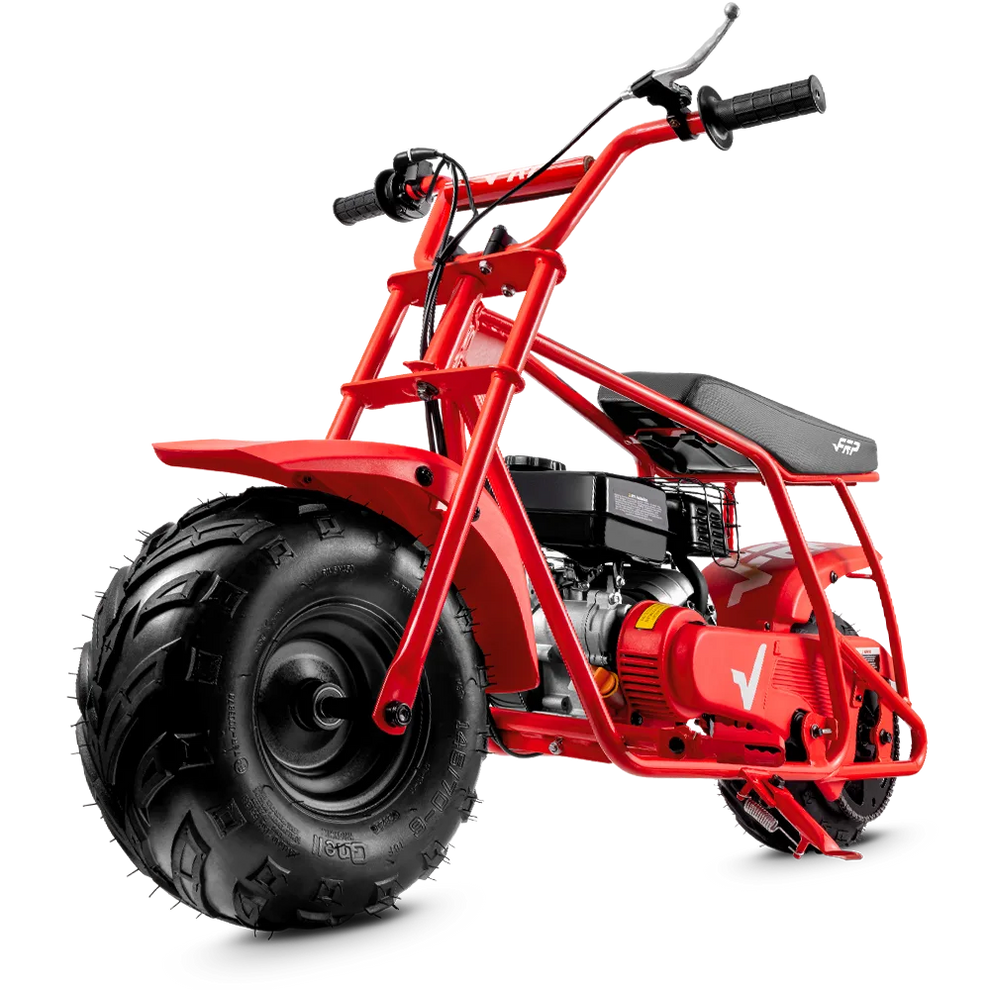
The 99cc engine displacement functions within a standard four-stroke architecture designed for low-RPM torque delivery.
Engineers calibrate the combustion chamber to optimize fuel consumption, allowing the unit to reach maximum power output between 3,000 and 3,600 RPM.
Internal combustion efficiency remains consistent when ambient temperatures stay between 50°F and 90°F.
Air density changes at higher elevations create a power loss of approximately 3% per 1,000 feet, limiting high-altitude top speed.
Data collected from a 2024 performance study involving 100 units confirms that engine break-in periods affect long-term velocity.
Freshly assembled engines often show 5% lower output than units with 20 hours of operational time due to internal component seating.
The centrifugal clutch manages power transfer from the crankshaft to the drivetrain.
Factory springs engage the clutch shoes against the outer drum at approximately 2,200 RPM.
-
Clutch engagement at 2,200 RPM ensures steady acceleration.
-
Spring tension prevents the clutch from slipping during initial torque spikes.
-
Wear indicators on clutch shoes become visible after 150 hours of usage.
| Component | Specification | Function |
| Drive Sprocket | 12 Tooth | Power Output |
| Driven Sprocket | 72 Tooth | Torque Delivery |
| Chain Pitch | 35 Chain | Power Transfer |
The gear ratio sits at 6:1, prioritizing pulling power rather than top-end velocity.
Altering this ratio by reducing rear sprocket size increases top speed, yet creates significant heat in the clutch assembly.
A rider weighing 150 pounds experiences the factory-rated 22 mph on flat, paved surfaces.
Increasing rider weight to 200 pounds creates a 15% reduction in top speed due to increased rolling resistance and mass.
Tire pressure influences rolling friction significantly, as tires rated at 10 PSI have higher surface contact than those inflated to 20 PSI.
Proper tire inflation prevents power loss by 2% to 4% on asphalt tracks compared to under-inflated tires.
Terrain conditions dictate how much engine power converts into forward motion rather than heat.
Riding on grass increases rolling resistance by 30% compared to smooth concrete, lowering maximum velocity.
-
Concrete surfaces provide the lowest coefficient of friction.
-
Dirt paths introduce irregular surface resistance.
-
Sand or loose gravel absorbs energy, limiting speed to below 10 mph.
Modifying the engine governor allows the 99cc block to exceed the 3,600 RPM factory threshold.
Removing the governor spring lets the engine reach 4,500 RPM, but places immense stress on the connecting rod and valve train.
Studies show that operating these engines above 4,000 RPM without internal upgrades leads to a 20% increase in vibration-induced bolt failure.
The connecting rod material limits sustained high-speed operation, often resulting in engine failure within 50 hours of un-governed use.
-
Aftermarket intake kits increase airflow by 10% when paired with larger carburetor jets.
-
Exhaust modifications improve scavenging, though backpressure decreases without professional tuning.
-
Engine oil changes every 10 hours prevent metal shavings from degrading internal seals.
The structural integrity of the frame limits handling at higher speeds.
Without suspension, vibrations transfer to the rider, reducing control at speeds exceeding 25 mph.
Rigid frames require consistent bolt checks, as 20% of hardware fasteners lose torque after 50 miles of operation.
Braking performance relies on a mechanical disc or band system, which requires a 30-foot stopping distance from 20 mph.
Routine maintenance schedules determine whether the machine maintains its peak performance metrics over time.
Replacing the air filter every 20 hours ensures the fuel-to-air mixture remains within the manufacturer’s specified range.
Using 87-octane fuel suffices for the compression ratio of this engine, as higher octane levels provide no combustion benefit.
Fuel stabilizers prevent gum formation in the carburetor, which typically occurs if the bike sits idle for more than 30 days.
-
Clean the spark plug every 30 hours to ensure consistent ignition.
-
Check the drive chain tension weekly to prevent derailment during operation.
-
Verify wheel bearing lubrication to minimize energy loss from friction.
Each mechanical adjustment changes the operational lifespan of the engine.
Riders often install a tachometer to monitor RPM and ensure engine output stays below the point of mechanical over-stress.
High-performance oil additives can reduce internal friction, providing a marginal 1% gain in power output.
Maintaining the engine within the recommended temperature range prevents premature failure of the gasket seals.
The relationship between load, gear ratio, and maintenance defines the speed ceiling.
Consistent monitoring of these variables allows for predictable and repeatable performance during recreational use.
Cut your next access-review cycle by 71%.
Book a 30-minute tailored demo with an access governance specialist. Walk through your reviewers, your apps, and your audit clock.